100 Days for Endometriosis
How much suffering must endometriosis cause before the world treats it like the global health crisis it is?
Why This Journey Exists
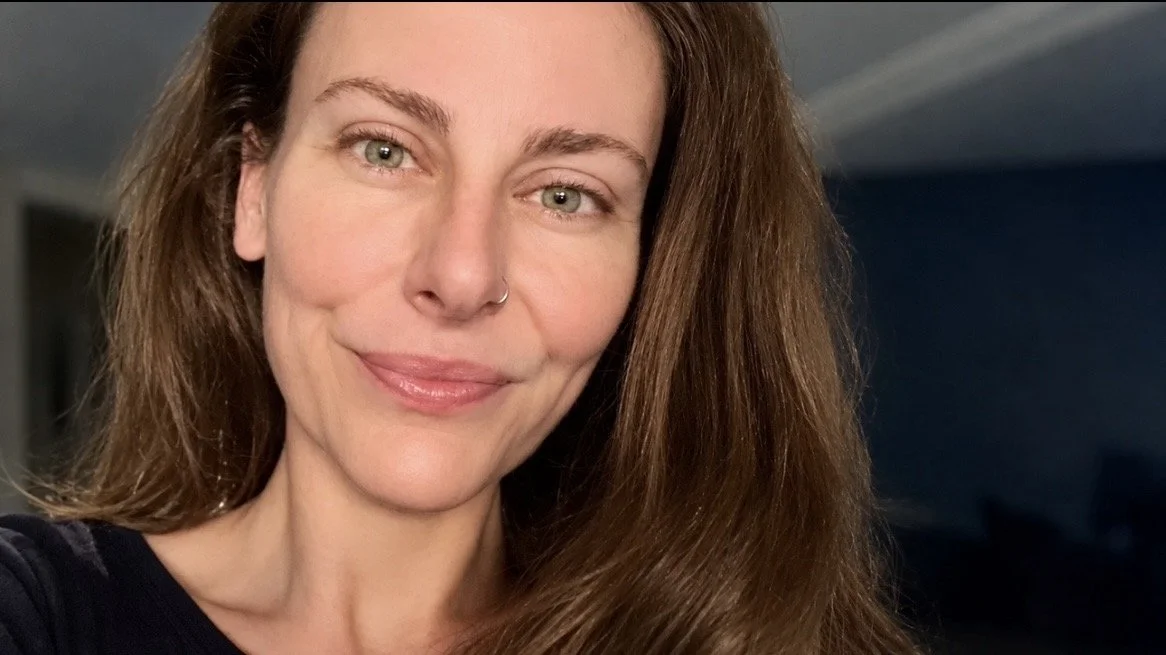
I'm a Licensed Practical Nurse living on Vancouver Island, and I've lived with endometriosis for decades.
And I hate living with this disease.
My experience with endometriosis reaches back to my teenage years. It has affected my pregnancies, motherhood, career, relationships, and some of the most painful losses of my life. For years, I lived with the symptoms and consequences without understanding what was happening to my body.
It took more than 10 years - after a devastating ectopic pregnancy - before I finally received a surgical diagnosis of stage III endometriosis.
I know what it is like to live with pain that changes what you can do, where you can go, how you work, how you relate to people and, eventually, how you see yourself.
I became a nurse because I wanted to help people. But there have been long stretches when endometriosis has left me living from my bed, unable to contribute in the way I thought I would.
So I started looking for another way.
For the past year, I have been building 100 Days for Endometriosis from that bed.
I'm doing this for people who are suffering alone. For those trying to navigate healthcare while also dealing with financial hardship. For people whose relationships, careers and lives have been changed by this disease. And for those who have spent years trying to convince others that their pain is real.
I'm also doing it for the people who eventually stop being seen as patients in pain and start being treated as difficult, unreliable, drug-seeking or addicted - because pain is one of the defining realities of this disease.
That makes me angry. But anger by itself does not change anything.
I live with pain every single day. This project does not change that. But it gives me somewhere to put the frustration, my unanswered questions and the time this disease has taken from me.
In 2027, I'm taking those questions on the road - across Canada and Europe, meeting people living with endometriosis and the researchers, clinicians and advocates working to understand it and change what come next.
I do not expect this journey to solve endometriosis. But decades into this disease people are still living in pain, still fighting to be believed, and still expected to push through lives that endometriosis has fundamentally changed — often without the care, understanding or support they need.
Help me make endometriosis impossible to ignore.
The Research Road
CANADA — Vancouver Island - British Columbia - Alberta - Saskatchewan - Manitoba - Ontario - Québec.
EUROPE - Paris, France - Leuven, Belgium - Amsterdam, Netherlands - Berlin, Germany - Vienna, Austria - Ljubljana, Slovenia - Zagreb, Croatia - Bologna, Italy - Ancona, Italy - Athens, Greece - Delphi, Greece - Piraeus, Greece - Crete, Greece.
The Seven Questions:
What kind of disease is endometriosis, really?
How do we find it?
Why does it hurt?
How do we treat it better?
What does it do to a life?
Who gets care - and who gets left behind?
How can patient experience and medical expertise coexist responsibly?
Get Involved
For too long, people with endometriosis have been expected to suffer quietly, push through the pain, and keep proving that what is happening to them is real.
This documentary is a chance to say what that has actually meant - to your body, your work, your relationships, your family, your plans, and the life you have had to build around this disease.
If there is something you wish someone had understood sooner, something you are tired of having to explain, or something you believe needs to change, I want to hear it.
Researchers, clinicians, advocates and organizations are invited into that conversation too - not to speak over patients, but to help us understand what is changing, what remains difficult, and where we go from here.
Participation may be filmed, remote or written.
Follow the Journey
I know where the road begins. I do not know where it will lead.
That is the point.
For 100 days, I will follow seven questions across Canada and Europe — into laboratories and clinics, through conversations with advocates, and alongside people whose lives have been forever changed by endometriosis.
I want to know where the research and the reality of the disease agree, where they collide, and what we might learn by putting them in the same conversation.